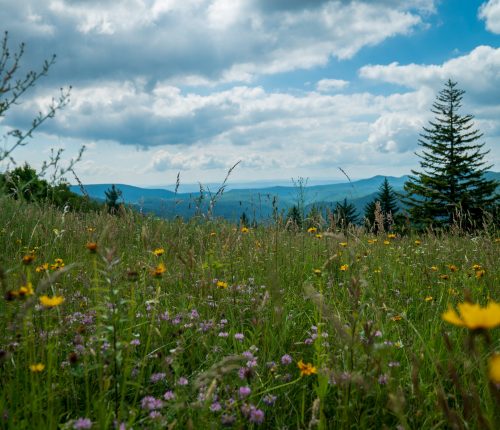
Ecosystem service markets allow landowners to receive payments and incentives for the environmental benefits their forests produce. Investments in conservation can help to compensate landowners for protecting and enhancing ecosystem services. These markets sometimes act as a way to capture the financial value of well-managed forests. The payments and incentives offered can add to existing revenues and encourage good forest stewardship.
For forest landowners, these markets offer: New non-timber income streams, incentives for long term forest health conservation, and recognition for sustainable land management.
Expanding market opportunities.
Appalachia has millions of acres of forested land. The majority of this forested land is owned by private individuals and organizations. This highlights how essential it is to increase awareness and opportunities for participating in ecosystem service markets. As awareness increases, landowners become better positioned to earn income while enacting sustainable and conservative land use strategies. Similarly, higher engagement can help to encourage more programs to operate in the region and increase market activity.
The experience, goals, and concerns of forest landowners are critical to inform programs that support Appalachian landscapes and communities. Ecosystem markets will only succeed in Appalachia if they meet the needs of the people who care for the land.
Forest landowners can help shape the future of these programs.
We’re gathering feedback from small-acreage forest landowners in Central Appalachia (under 2,500 acres). If you own Appalachian forestland, please take a few minutes to fill out our survey and share your perspective!
Ecosystem service markets offer a promising opportunity for Appalachian forest landowners to gain financial rewards for responsible land stewardship. With greater awareness, active participation, and continued feedback from the people who know these forests best, the region can grow thriving programs to support both livelihoods and the long-term health of Appalachian forests.
Programs currently available in our region:
Silvopasture adoption program
Unlock the future of farming by joining our silvopasture program for farmers in VA, TN, & NC.