everyone deserves the dignity of healthy wholesome food on their table.
But too many Appalachian families have to choose between price or nutrition, amount or quality. They have to work with what’s around them, and try to make it last.
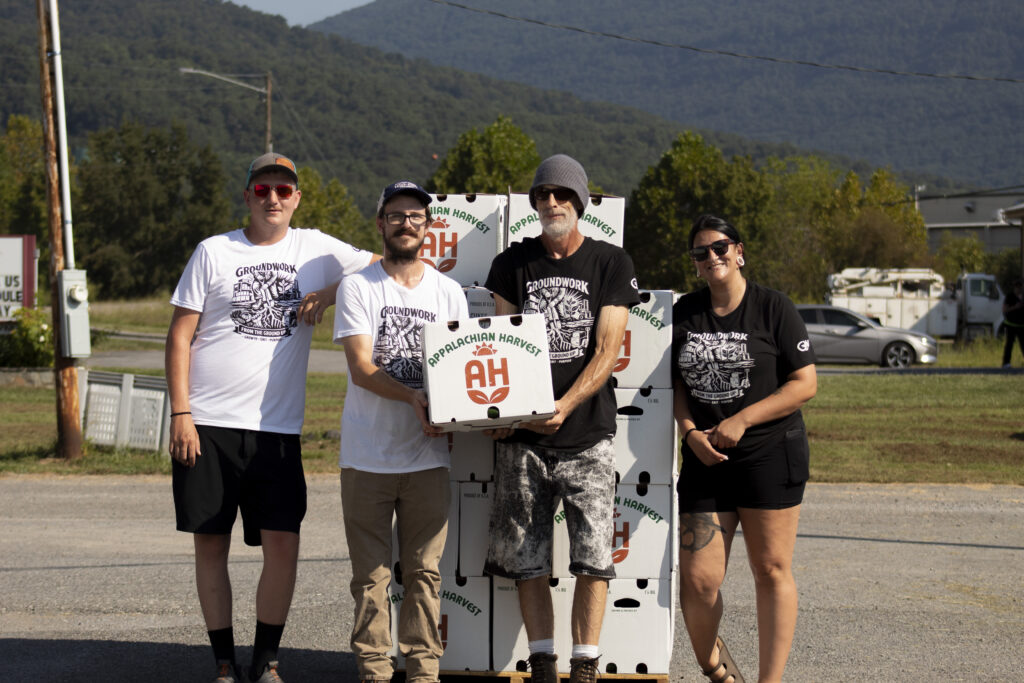
We believe families facing food insecurity shouldn’t have to settle for less. That’s why Appalachian Harvest works to put farm-fresh food into the hands of people who need it most.
3.4 mil people
in appalachia have poor access to food.
To put that number into perspective, that’s almost enough to fill all of Los Angeles – the second most populous city in the United States.
Our fresh food box program fights to reduce that 3.4 million.
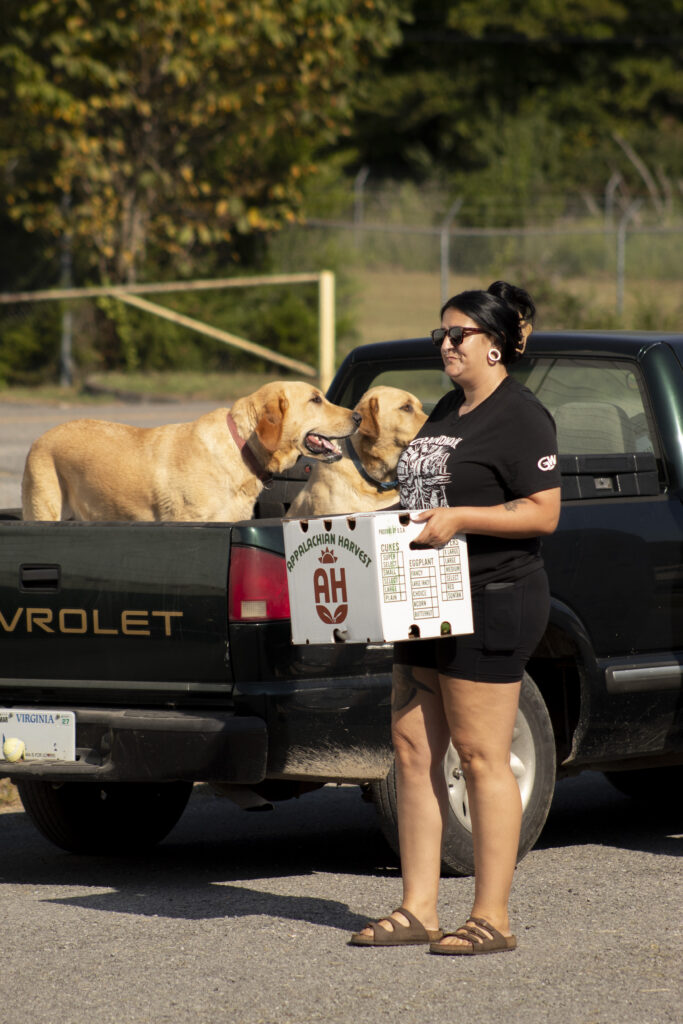
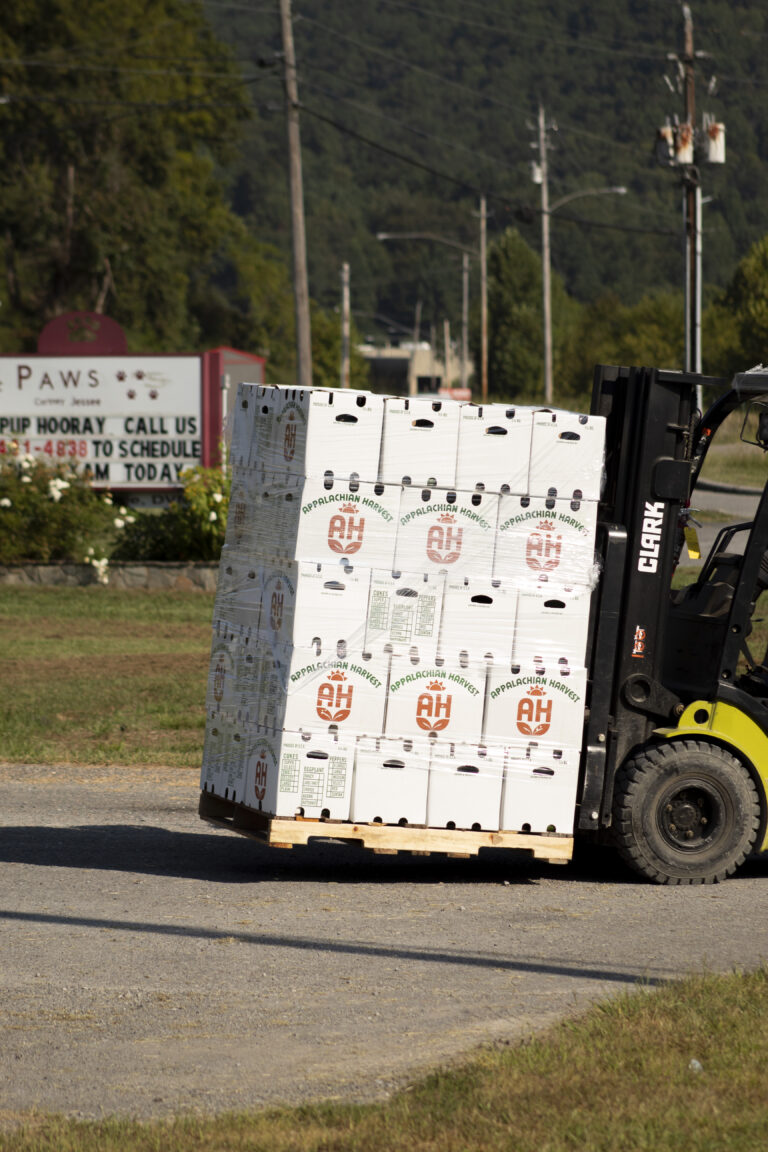
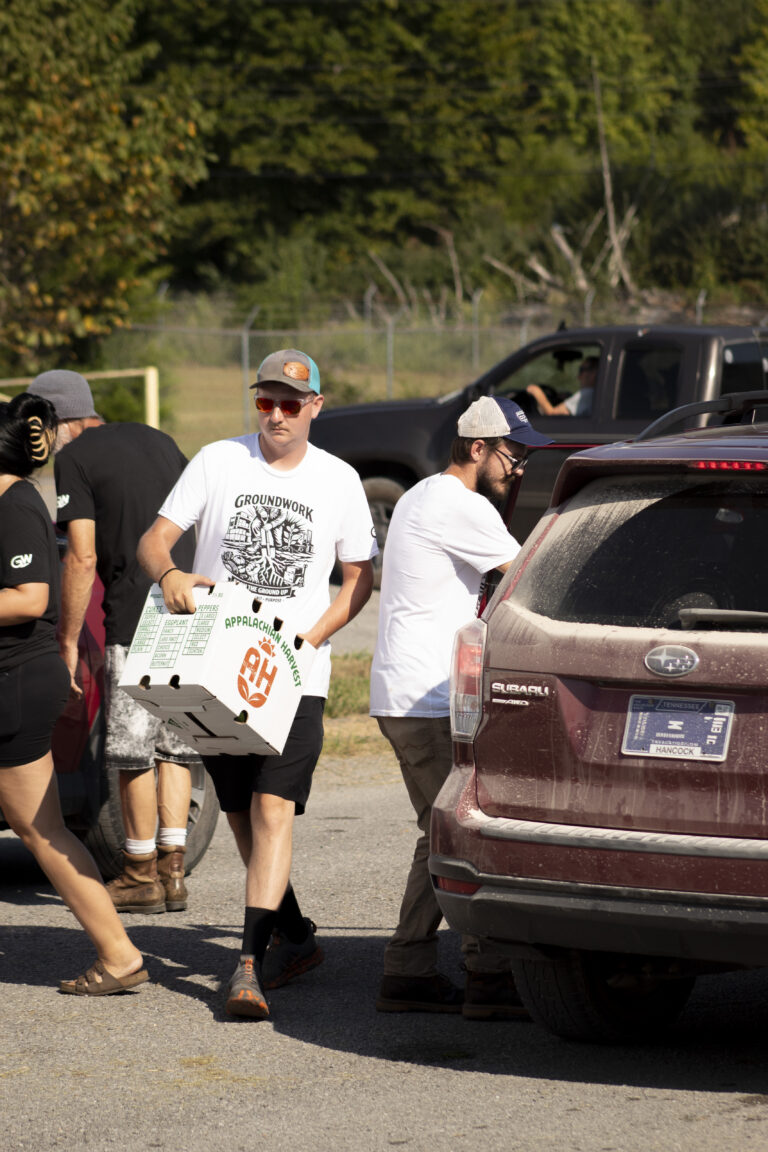
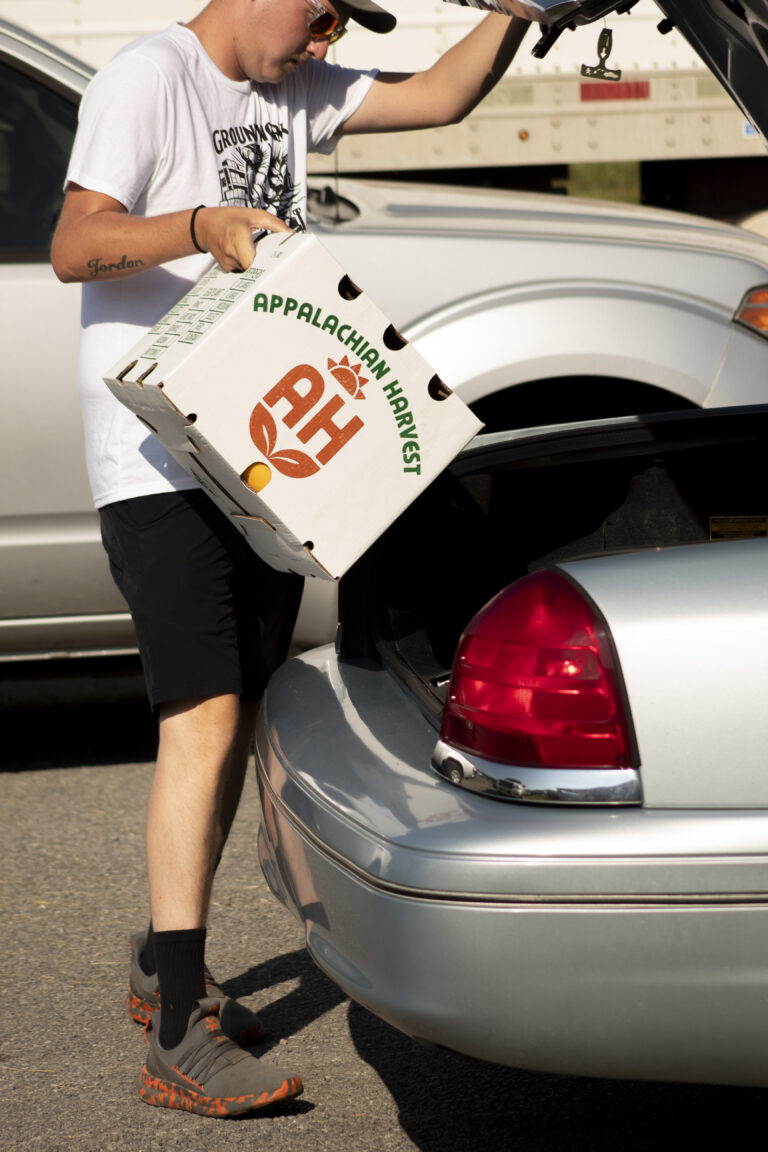
Each box contains 25-30 lbs of fresh, nutritious food every week – seasonal produce, fresh milk, and local ground beef. That’s 8 meals, saving $200 a month per family.
And all of it comes from our Appalachian Harvest Food Hub in Duffield, VA.
So our food is local, but how local?
We source everything from within 150 miles of Appalachian Harvest, working to support the local farmers in our area.
But that's not all, in the winter we expand our reach to 400 miles so that healthy food isn't just a seasonal privilege.
from the start of appalachian harvest in 2000 until july of 2026
0
Food boxes have been distributed.
0
Households have been fed a month.
0
Pounds of food have been provided through ASD.
ready to make an impact?
You’ve seen what happens when food does more than move through a supply chain: Farmers find markets, families get fresh food, people find opportunity, veterans find a place to grow, kids discover where their food comes from, and it all starts with your purchasing decision.
It’s an opportunity, a door held open, and a branching path of possibilities revealed. But for many, that door is slammed straight in their face.
Thousands of people face barriers to employment in appalachia.
Some of these challenges include: limited access to education, returning from military service, recovering from substance abuse, disabilities and lack of supportive care.
Anyone at any point can find themselves trapped behind an insurmountable wall of misfortune, blocking any possible path forward.
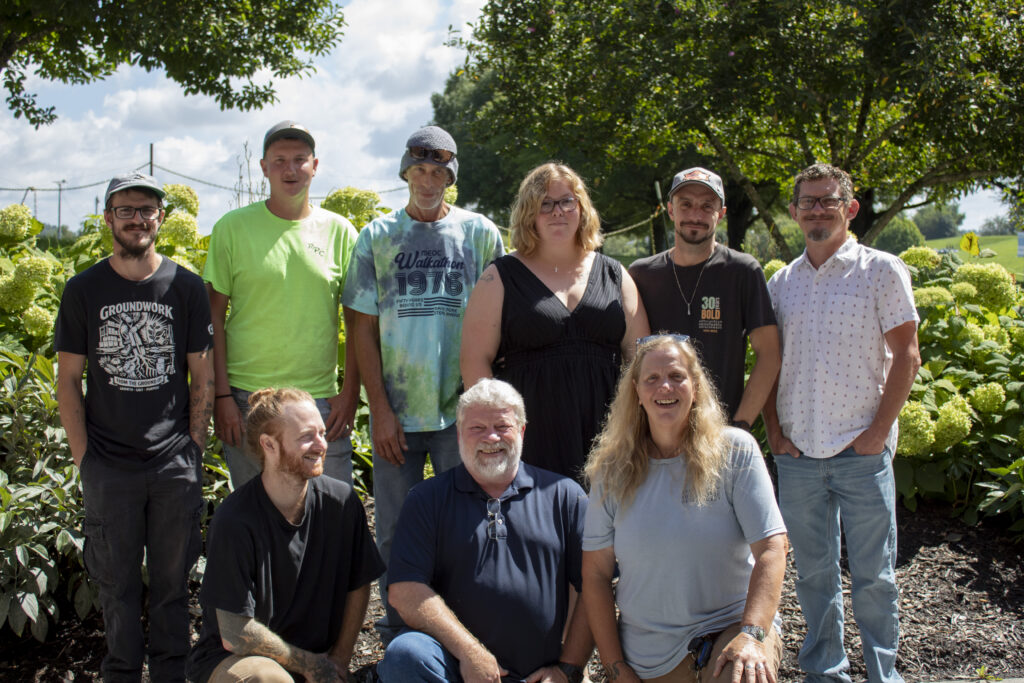
Groundwork, our workforce development initiative, meets these people where they are.
This 6-9 month empowerment, education, and career development program provides people with whatever resources they might need.
Along with paid employment our participants receive: access to training, certifications (CLDA, GAP, etc.), tools, mentors, peers, and the support many have been left without.
Groundwork welcomes people into a network they’ve otherwise been locked out of,
walking with them as they take the first step on the path towards the future. That first step looks different for everyone – whether it’s getting a driver’s license, finding housing or childcare, or simply finding someone to have in your corner –but for all, it’s a step towards independence.
ready to make an impact?
You’ve seen what happens when food does more than move through a supply chain: Farmers find markets, families get fresh food, people find opportunity, veterans find a place to grow, kids discover where their food comes from, and it all starts with your purchasing decision.
The transition to life after military service brings an entirely new set of challenges.
Having to re-adapt to society tends to take a heavy toll as Veterans search for what comes next, and when you throw in the mental and physical trauma many of them experience, it only gets more complicated.
we believe that agriculture can point the way forward
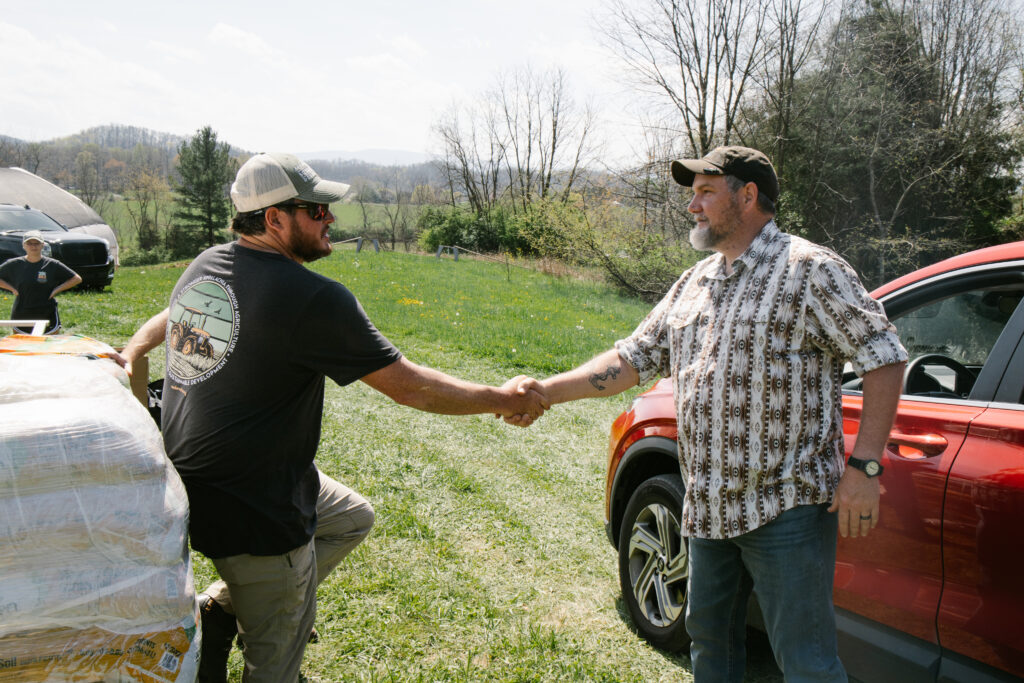
Through our Veterans Program, we connect veterans to their community and their environment. For some, that’s building skills towards a viable career in agriculture; for others, that’s just the opportunity to get outside and reconnect with nature.
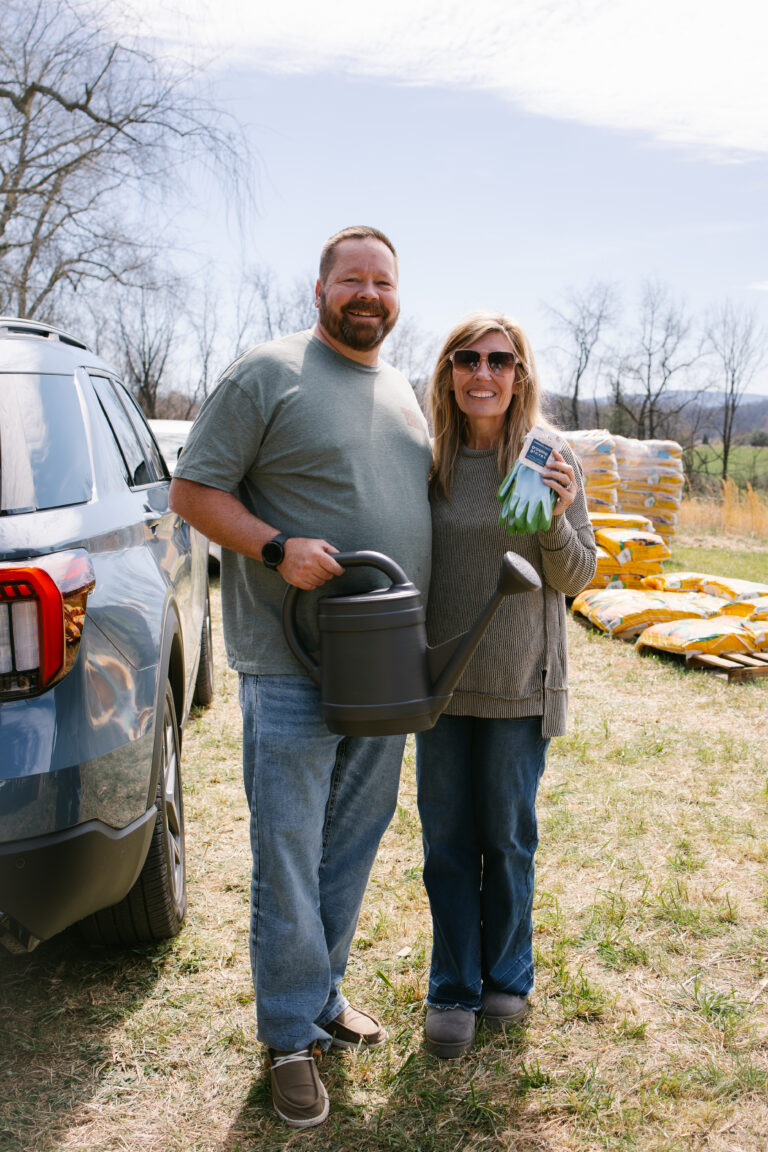
Our patriot garden box project lays the foundation.
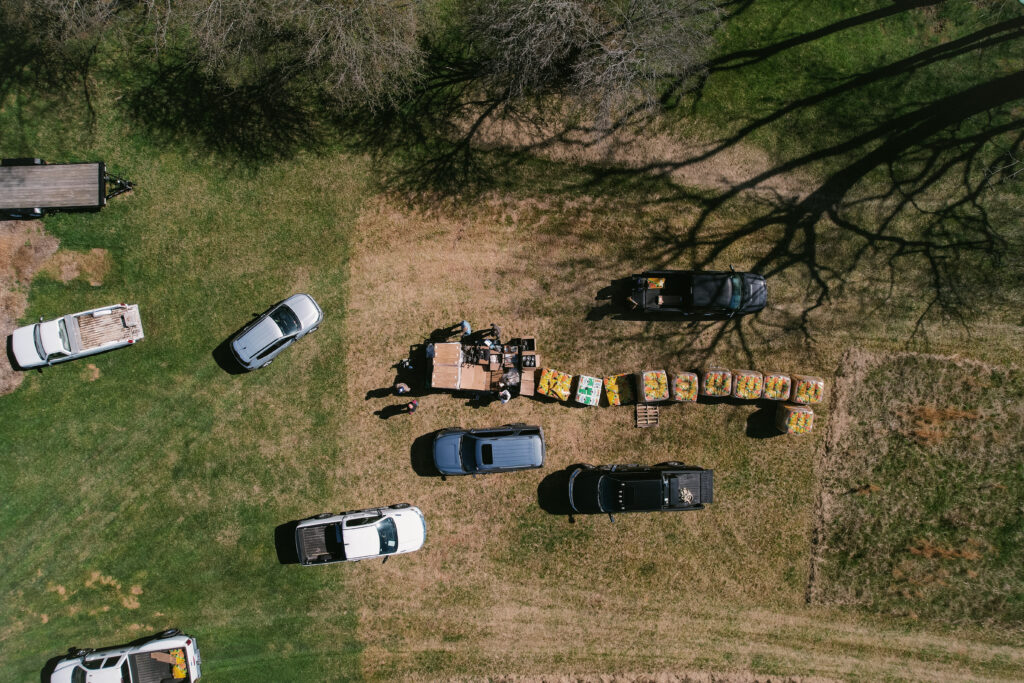
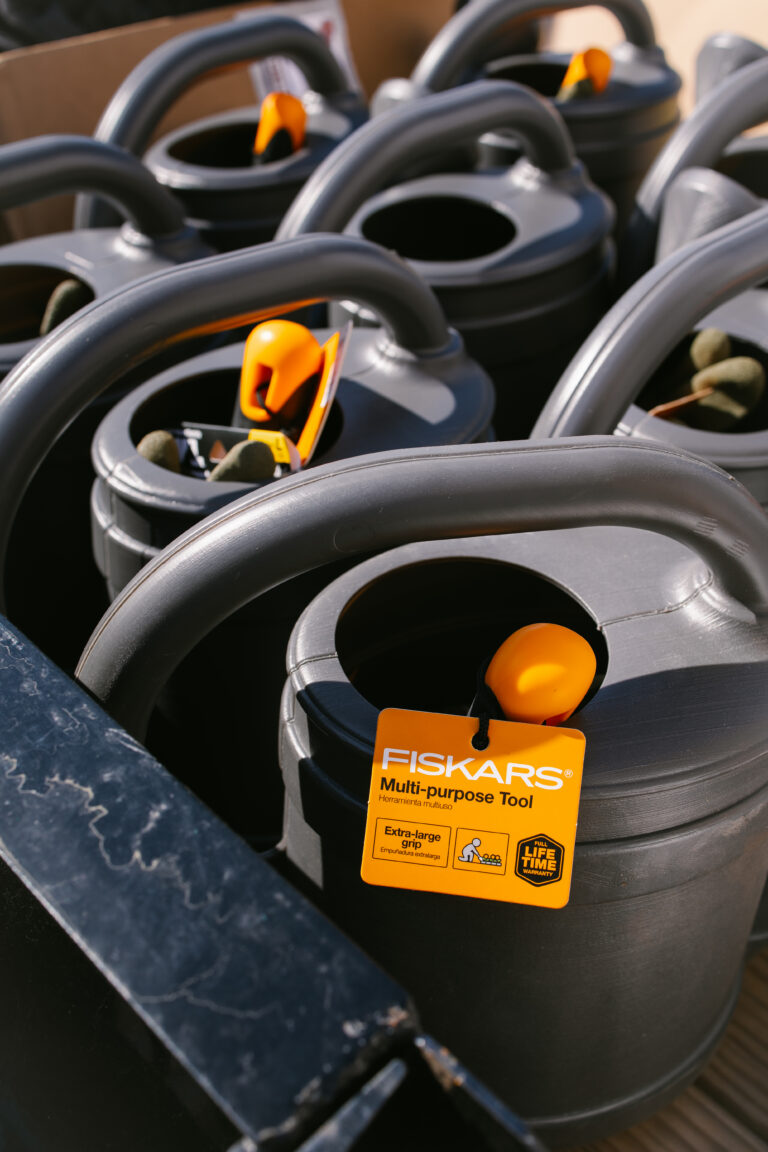
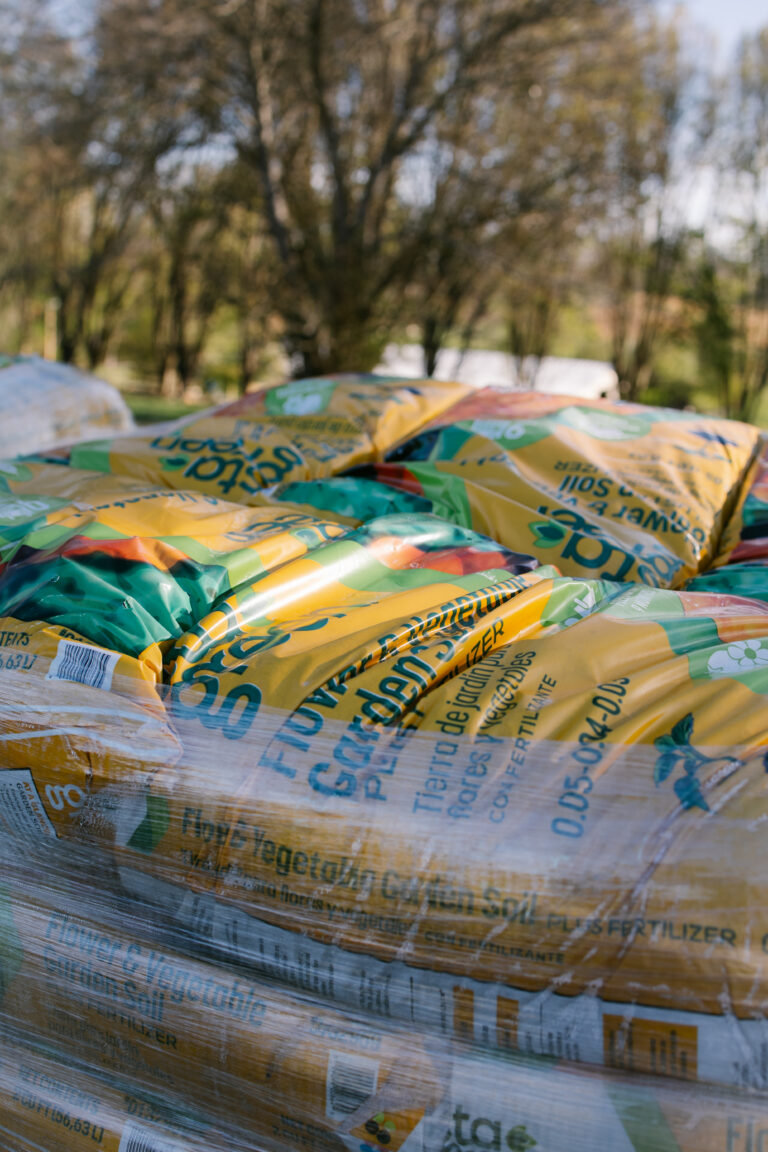
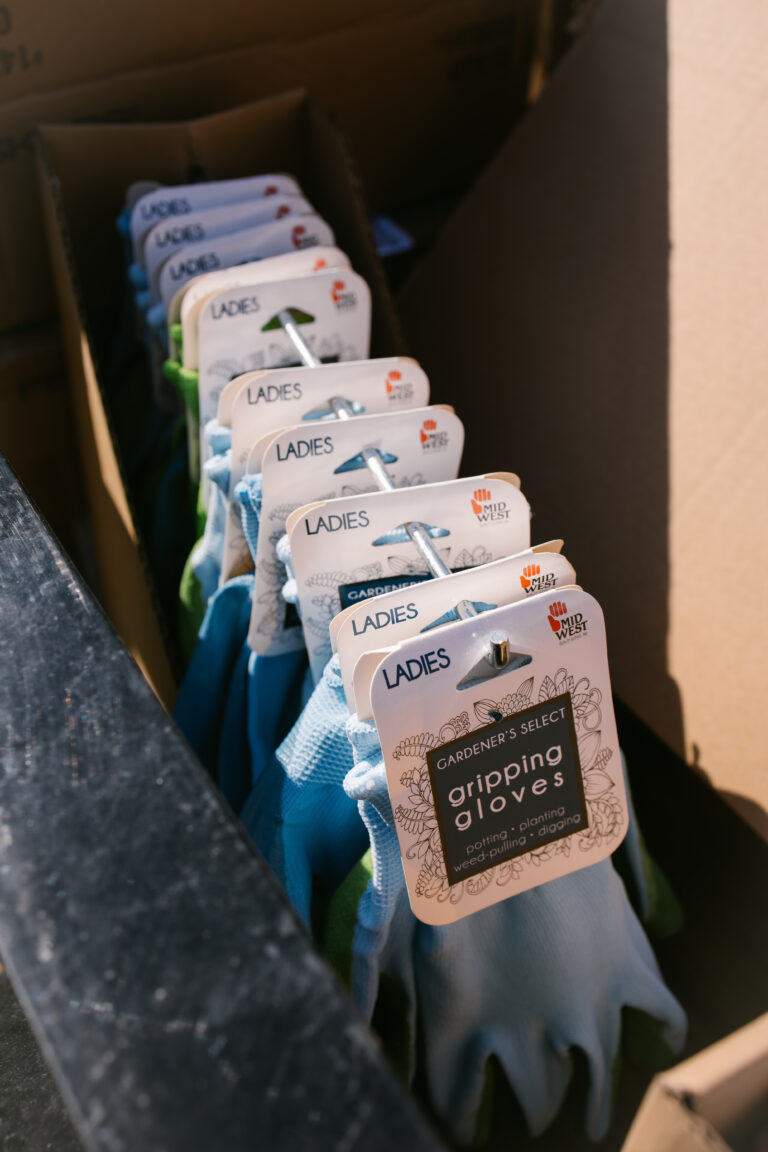
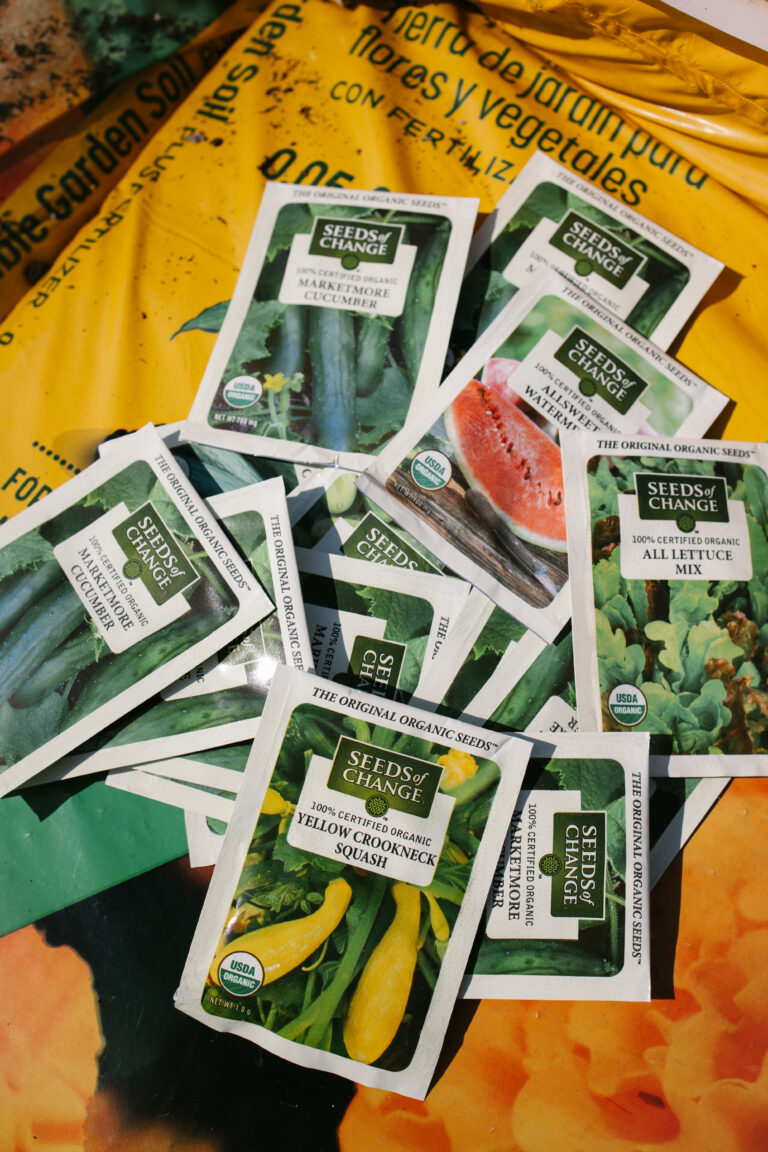
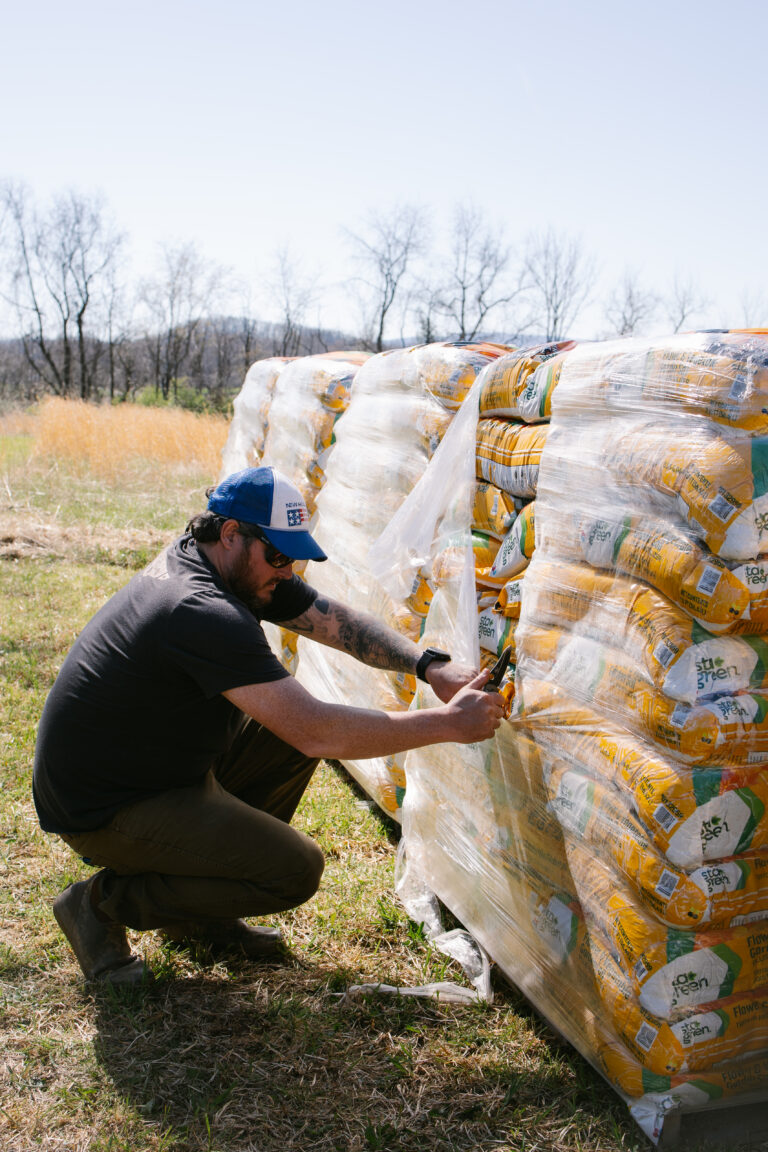
Each participant gets two raised garden beds, tools, supplies, training, and ongoing support – all at zero cost. The boxes hold more than soil and seeds; they hold a chance to learn and grow, literally and figuratively.
And for those who want to go further,
our Veterans Coalition hosts monthly meetings, growing a garden of its own; one blooming with connections, friendships, and opportunities.
ready to make an impact?
You’ve seen what happens when food does more than move through a supply chain: Farmers find markets, families get fresh food, people find opportunity, veterans find a place to grow, kids discover where their food comes from, and it all starts with your purchasing decision.
1 in every 6 children are facing food insecurity in Appalachia.
Through our Farm to School efforts, Appalachian Sustainable Development brings fresh, locally grown food into school meals and snacks wherever we’re able. For many in food insecure families, school is often a crucial source of nutrients making it all the more important to make that food as healthy as possible.
our learning landscapes program allows children to connect with the natural world.
We introduce them to gardening like it’s play, allowing them to run and dig in the soil, but in reality, they’re building the skills to take control of their nutritional narrative by discovering the joy of growing their own food.
ready to make an impact?
You’ve seen what happens when food does more than move through a supply chain: Farmers find markets, families get fresh food, people find opportunity, veterans find a place to grow, kids discover where their food comes from, and it all starts with your purchasing decision.
everyone deserves the dignity of healthy wholesome food on their table.
But too many Appalachian families have to choose between price or nutrition, amount or quality. They have to work with what's around them, and try to make it last.
We believe families facing food insecurity shouldn't have to settle for less. That's why Appalachian Harvest works to put farm-fresh food into the hands of people who need it most.
3.4 mil people in appalachia have poor access to food.
To put that number into perspective, that's almost enough to fill all of Los Angeles – the second most populous city in the United States.
our fresh food box program fights to reduce that 3.4 million.
Each box contains 25-30 lbs of fresh, nutritious food every week – season produce, fresh milk, and local ground beef. That's 8 meals, saving $200 a month per family. And all of it comes from our AH Food Hub in Duffield, VA.
so our food is local, but how local?
We source everything from within 150 miles of Appalachian Harvest, working to support the local farmers in our area.
But that's not all, in the winter we expand our reach to 400 miles so that healthy food isn't just a season privilege.
from the start of appalachian harvest in 2000 until july of 2026
Food boxes have been distributed
0
Households have been fed a month
0
Lbs. of food have been provided through ASD.
0
ready to make an impact?
You've seen what happens when food does more than move through a supply chain: Farmers find markets, families get fresh food, people find opportunity, veterans find a place to grow, kids discover where their food comes from, and it all starts with your purchasing decision.
It's an opportunity, a door held open, and a branching path of possibilities revealed.
But for many, that door is slammed straight in their face.
Thousands of people face barriers to employment in Appalachia.
Some of these challenges include: limited access to education, returning from military service, recovering from substance abuse, disabilities, and lack of supportive care.
Anyone at any point can find themselves trapped behind an insurmountable wall of misfortune, blocking any possible path forward.
groundwork, our workforce development initiative, meets these people where they are.
This 6-9 month empowerment, education, and career development program provides people with whatever resources they might need.
Along with paid employment our participants receive: access to training, certifications (CLDA, GAP, etc.), tools, mentors, peers, and the support many have been left without.
Groundwork welcomes people into a network they've otherwise been locked out of,
walking with them as they take the first step on the path towards the future. That first step looks different for everyone – whether it's getting a driver's license, finding housing or childcare or simply finding someone to have in your corner – but for all, it's a step towards independence.
ready to make an impact?
You've seen what happens when food does more than move through a supply chain: Farmers find markets, families get fresh food, people find opportunity, veterans find a place to grow, kids discover where their food comes from, and it all starts with your purchasing decision.
the transition to life after military service brings an entirely new set of challenges.
Having to re-adapt to society tends to take a heavy toll as Veterans search for what comes next, and when you throw in the mental and physical trauma many of them experience, it only gets more complicated.
our patriot garden box project lays the foundation.
Each participant gets two raised garden beds, tools, supplies, training, and ongoing support, all at zero cost.
The boxes hold more than soil and seeds; they hold a chance to learn and grow.
we believe that agriculture can point the way forward.
Through our Veterans Program, we connect Veterans to their community and their environment.
For some, that's building skills towards a viable career in agriculture; for others, it's the opportunity to get outside and reconnect with nature.
and for those who want to go further,
our Veterans Coalition hosts monthly meetings, growing a garden of its own; one blooming with connections, friendships, and opportunities.
ready to make an impact?
You've seen what happens when food does more than move through a supply chain: Farmers find markets, families get fresh food, people find opportunity, veterans find a place to grow, kids discover where their food comes from, and it all starts with your purchasing decision.
1 in every 6 children are facing food insecurity in appalachia.
Through our Farm to School efforts, Appalachian Sustainable Development brings fresh, locally grown food into school meals and snacks wherever we're able.
For many in food insecure families, school is often a crucial source of nutrients making it all the more important to make that food as healthy as possible.
Our learning landscapes program allows children to connect with the natural world.
We introduce them to gardening like it's play, allowing them to run and dig in the soil, but in reality, they're building the skills to take control of their nutritional narrative by discovering the joy of growing their own food.
ready to make an impact?
You've seen what happens when food does more than move through a supply chain: Farmers find markets, families get fresh food, people find opportunity, veterans find a place to grow, kids discover where their food comes from, and it all starts with your purchasing decision.