We have a wonderful line-up of webinars this season but we can't reveal all our secrets just yet! So check back soon for more to come.

We have a wonderful line-up of webinars this season but we can't reveal all our secrets just yet! So check back soon for more to come.
We have a wonderful line-up of webinars this season but we can't reveal all our secrets just yet! So check back soon for more to come.
We have a wonderful line-up of webinars this season but we can't reveal all our secrets just yet! So check back soon for more to come.
We have a wonderful line-up of webinars this season but we can't reveal all our secrets just yet! So check back soon for more to come.
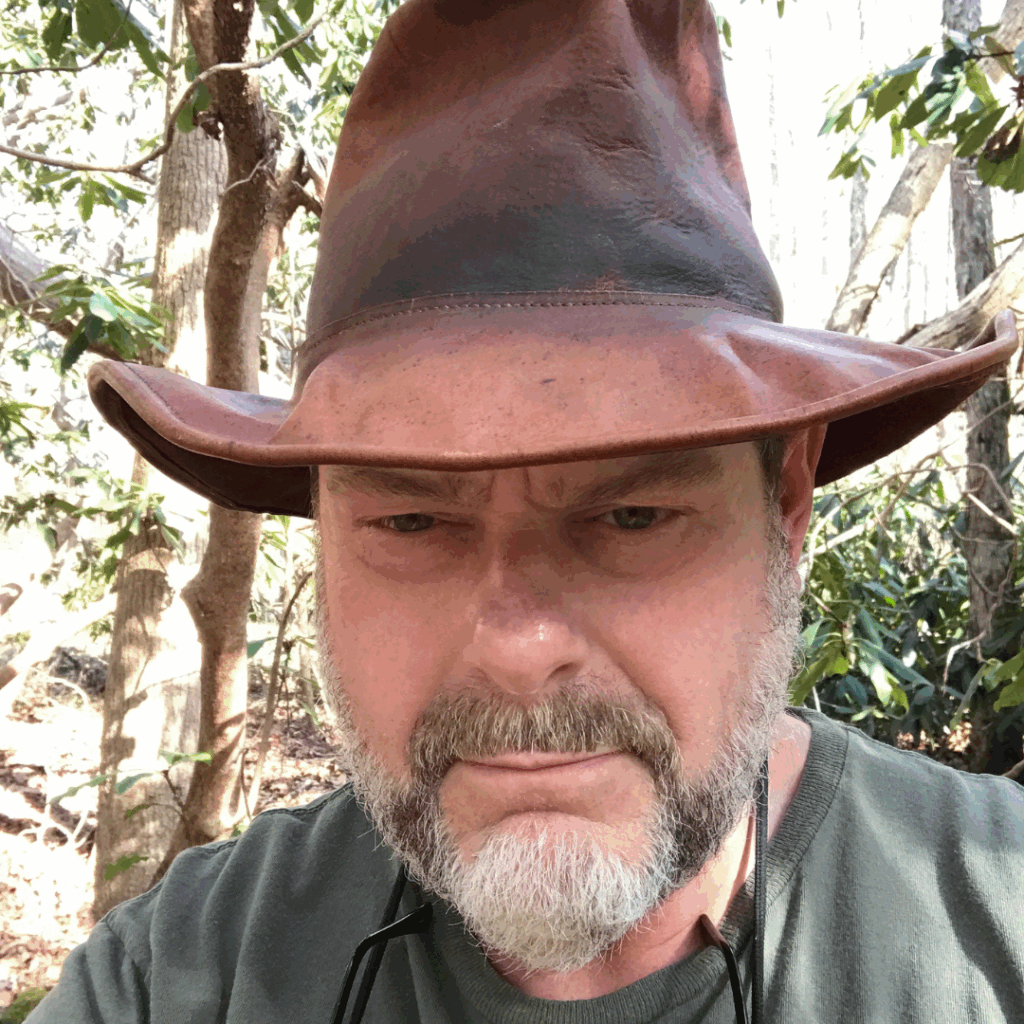
Currently, Robin is employed as the Procurement Manager of Appalachian Sustainable Development’s (ASD) Appalachian Harvest Herb Hub. In this role, Robin identifies and supports medicinal herb farmers to meet secured demand for sustainably grown and harvested forest botanicals and field grown medicinal herbs.
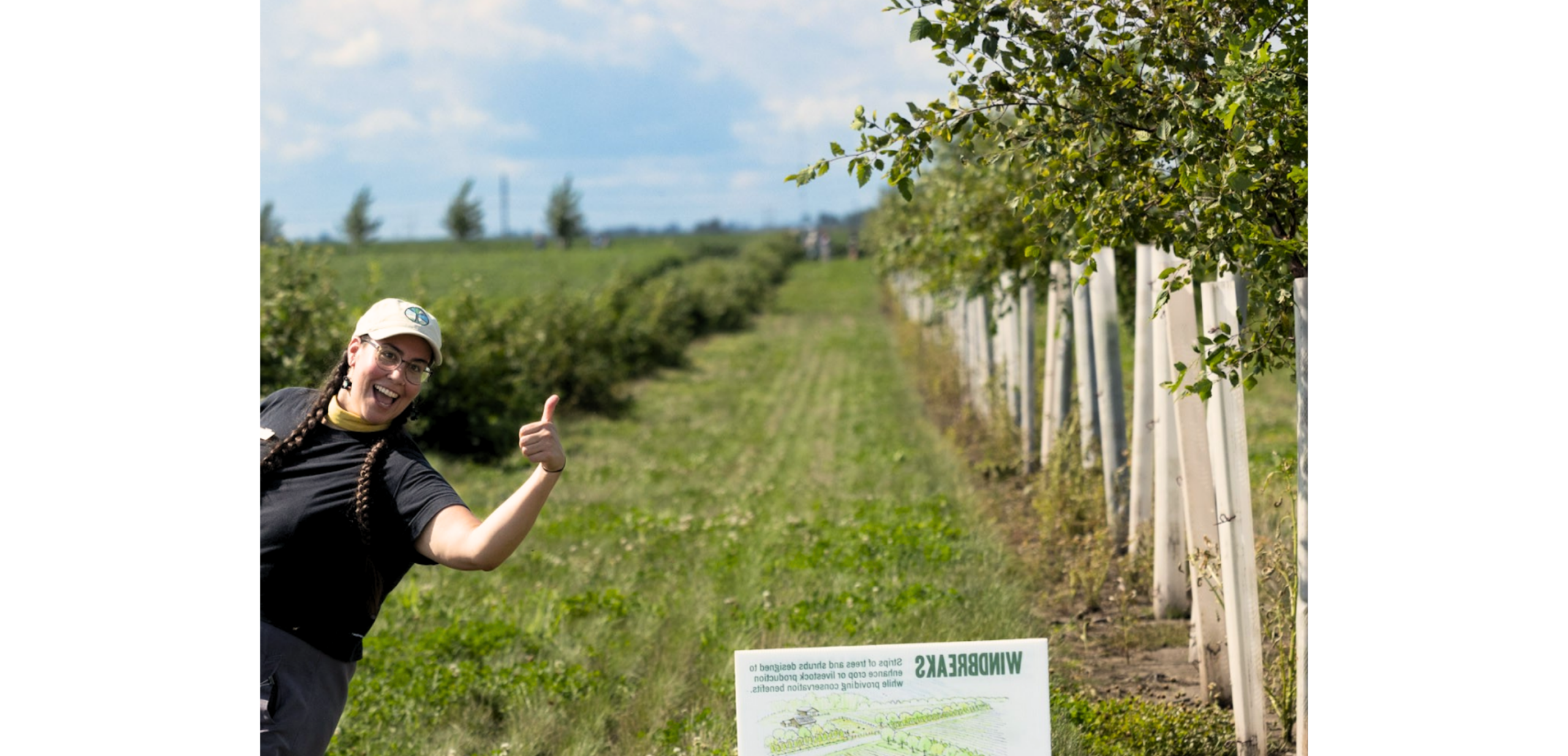
Kaitie (she/they) is the Director of the Demonstration Farm Network at the Savanna Institute. Based in the flatlands of East-Central Illinois, Kaitie’s work focuses on the way demonstration farms, working farms, and rural communities can come together to make agroforestry possible in the Midwest.
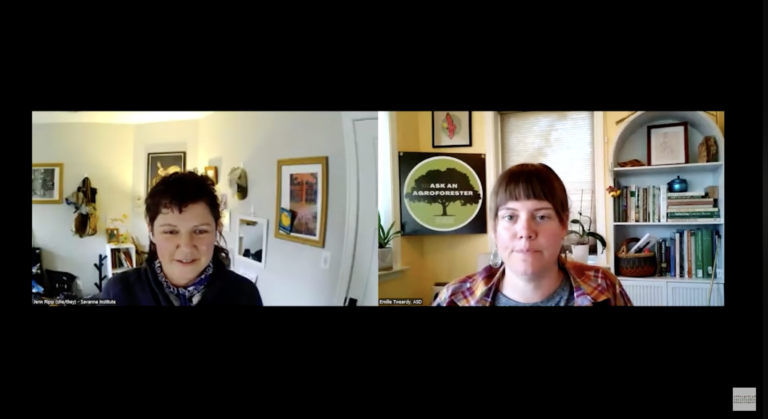
Jenn’s work is a convergence of her diverse background in farming, passion for agroforestry, and dedication to education and training. She has been a farmer for over ten years, and her work at the Savanna Institute focuses on practical approaches for integrating trees into modern agriculture.
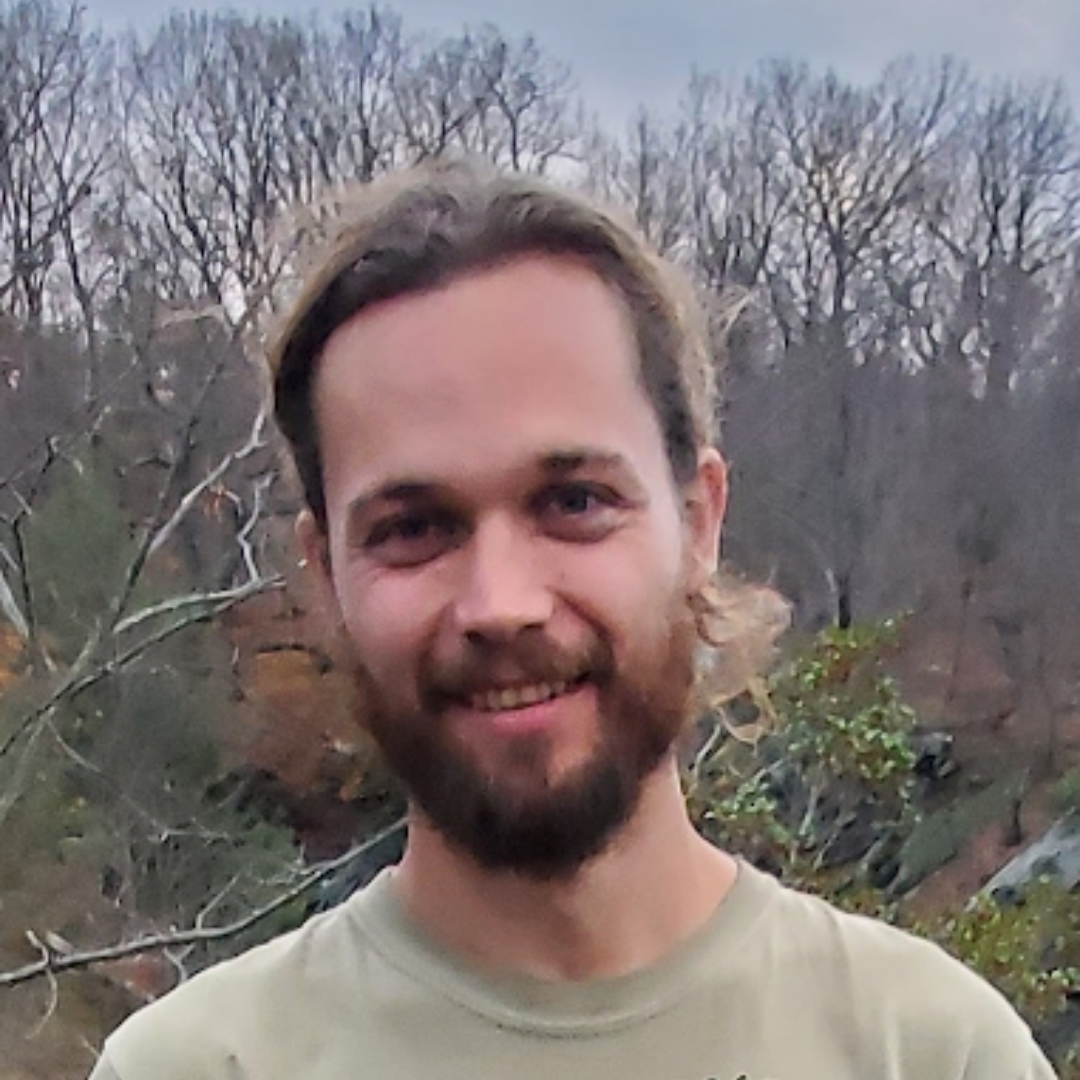
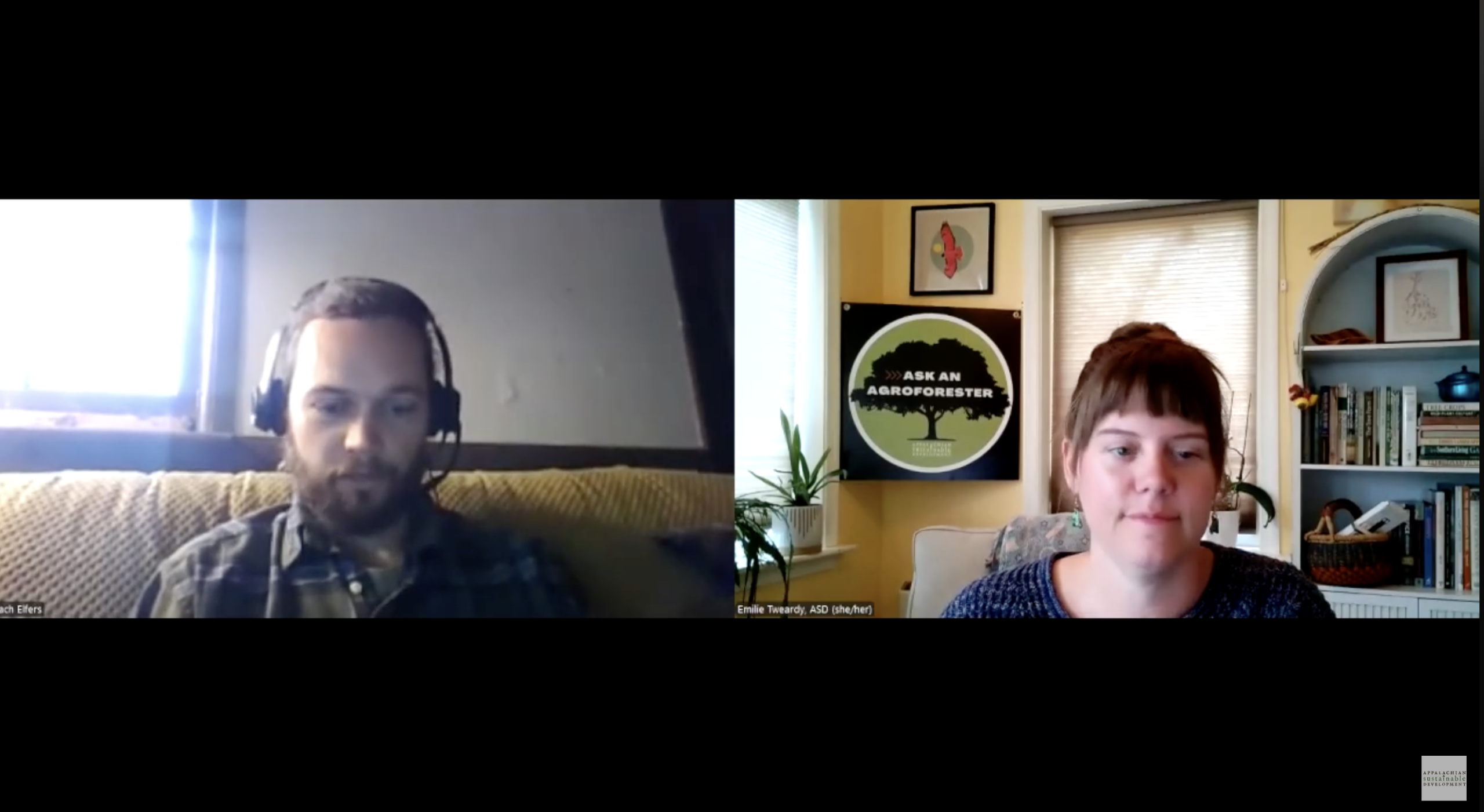
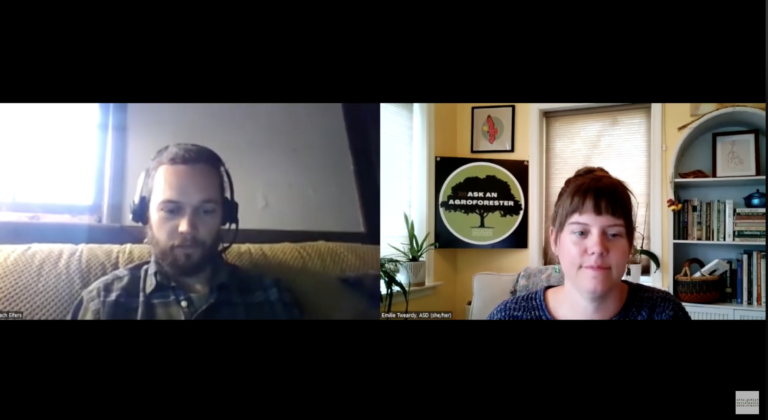
Zach Elfers is a tree crops enthusiast and lifelong student of nature. He operates a small nursery, Future Forest Plants, where he lives in southern York county Pennsylvania. He seeks opportunities to explore, research, and sometimes even has a little time to write in relation to Agroforestry topics.
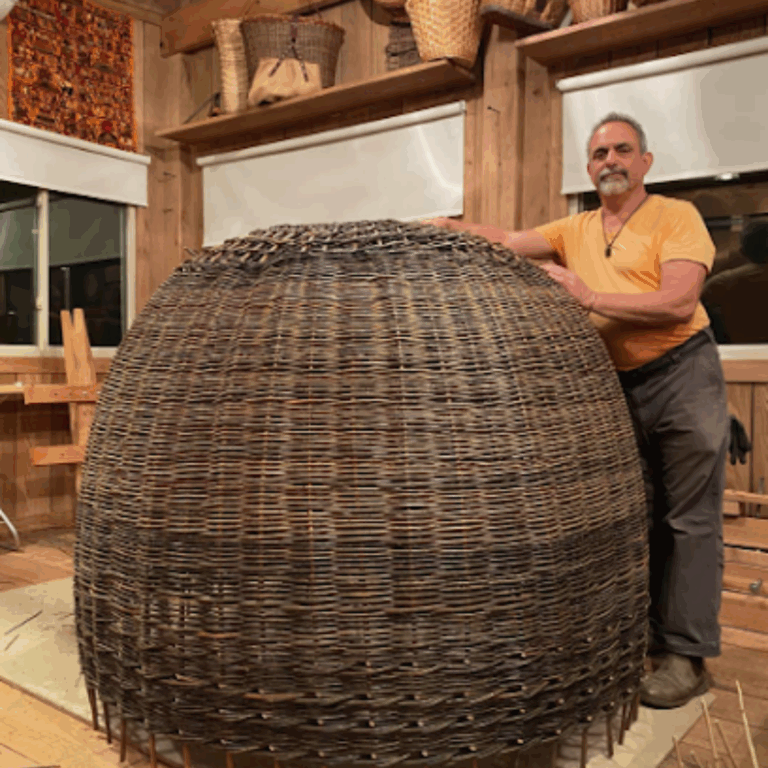
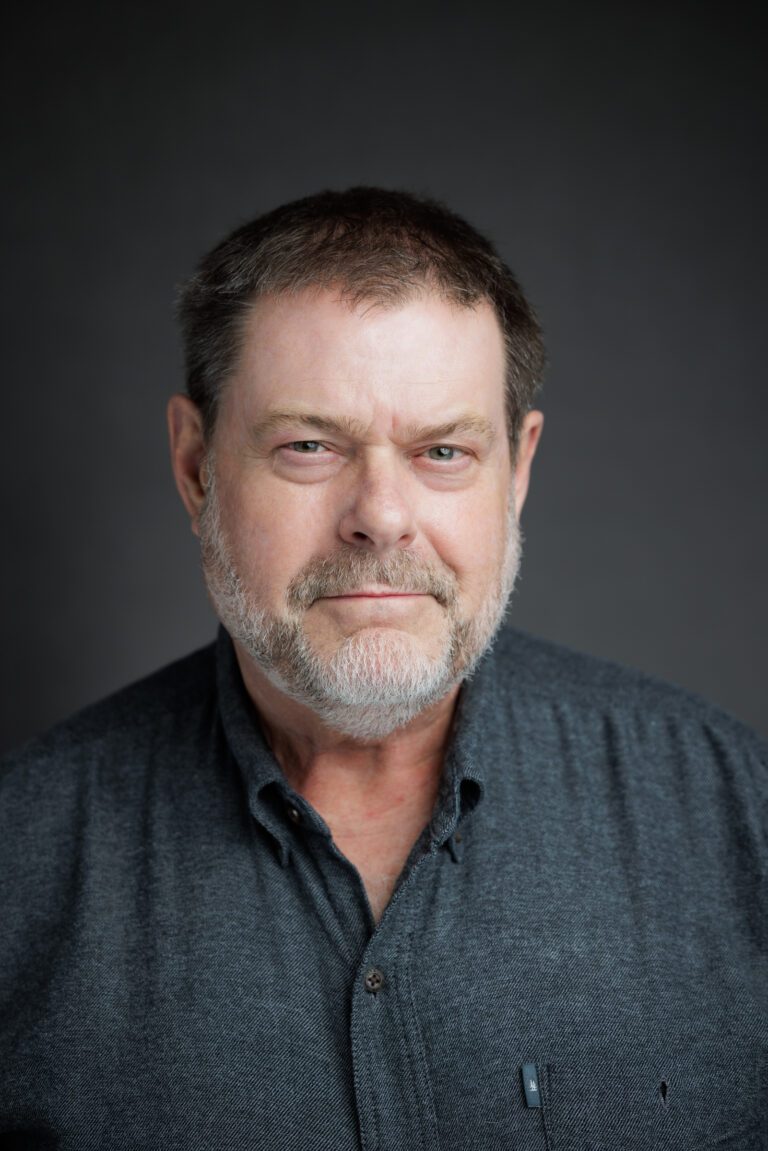
Howard Peller is the founder of Living Willow Farm in Roseville, Ohio, where he grows more than a hundred varieties of willow and transforms them into both functional and artistic creations. With training in traditional basketry Howard weaves together a lifetime of artistry and agriculture.
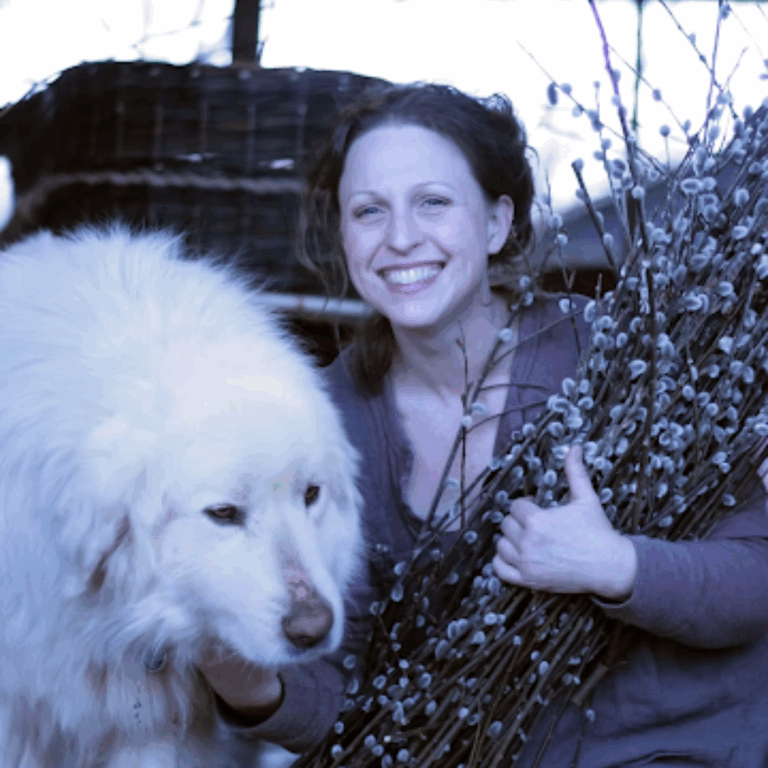
Sarah Lasswell is a willow grower and casket weaver in the Appalachian foothills of western North Carolina. Sarah began planting willow in 2019 to control erosion on a cultivated field, and expanded her plantings in the following years to around 5,000 to supply her casket weaving practice.
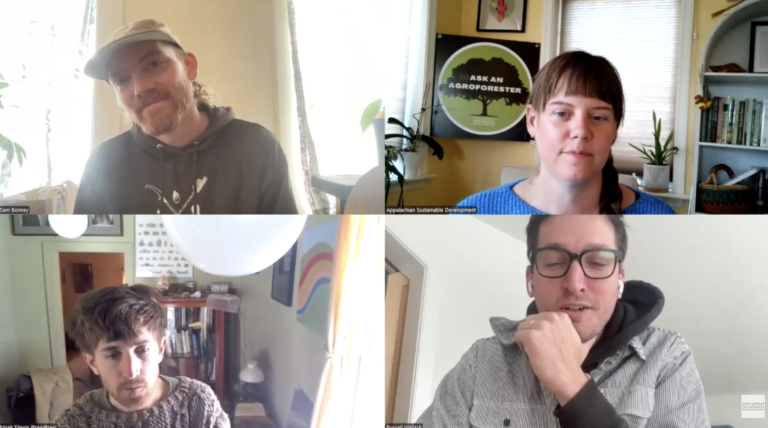
Robin identifies & supports medicinal herb farmers to meet secured demand for harvested & sustainably grown forest botanicals & field grown herbs.
Kaitie's work focuses on the way demonstration farms, working farms, & rural communities can come together to make agroforestry possible in the Midwest.
Robin identifies & supports medicinal herb farmers to meet secured demand for harvested & sustainably grown forest botanicals & field grown herbs.
Robin identifies & supports medicinal herb farmers to meet secured demand for harvested & sustainably grown forest botanicals & field grown herbs.
Robin identifies & supports medicinal herb farmers to meet secured demand for harvested & sustainably grown forest botanicals & field grown herbs.
Robin identifies & supports medicinal herb farmers to meet secured demand for harvested & sustainably grown forest botanicals & field grown herbs.
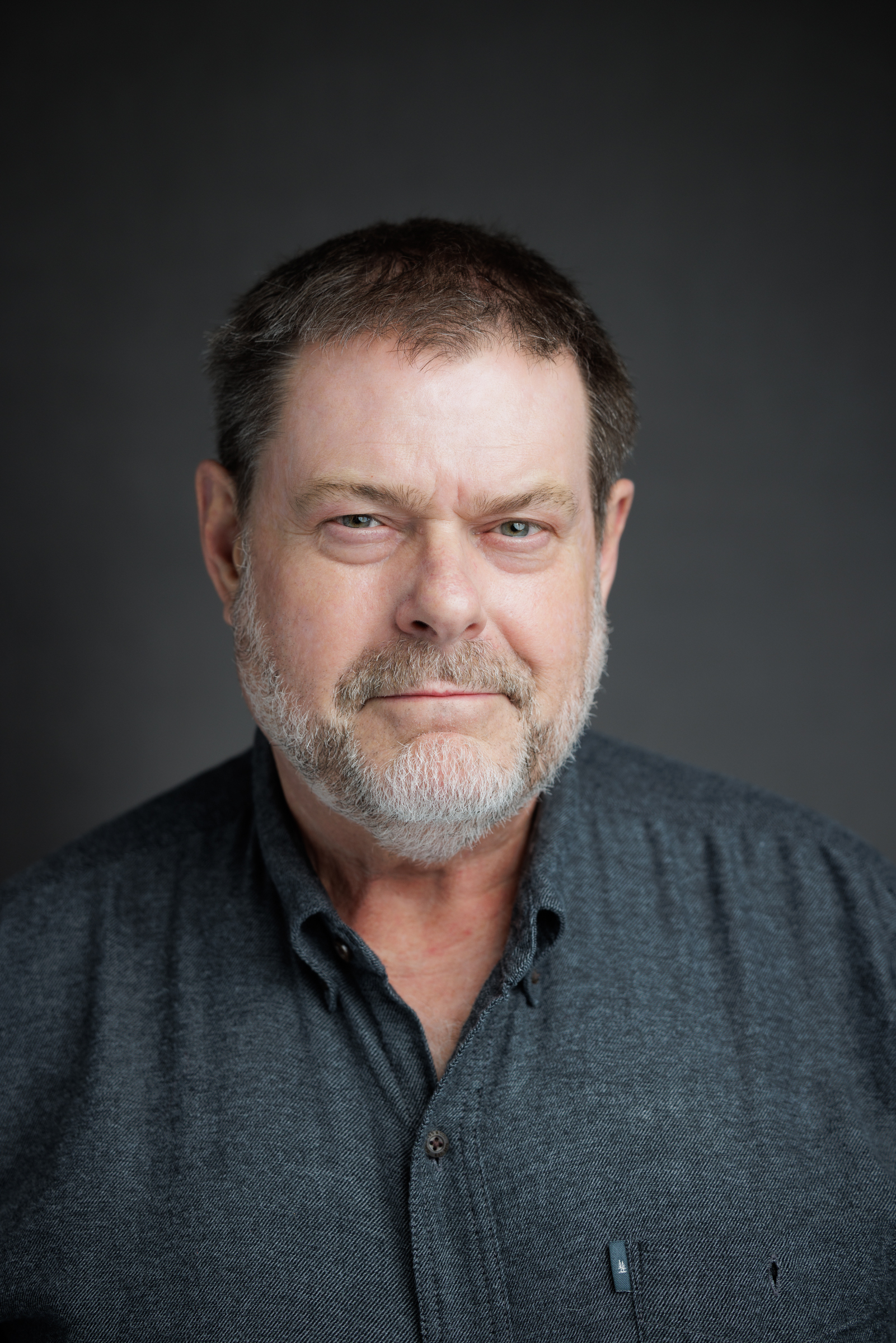
Currently, Robin is employed as the Procurement Manager of Appalachian Sustainable Development's (ASD) Appalachian Harvest Herb Hub. In this role, Robin identifies and supports medicinal herb farmers to meet secured demand for sustainably grown and harvested forest botanicals and field grown medicinal herbs.
Kaitie (she/they) is the director of the Demonstration Farm Network at the Savanna Institute. Based in the flatlands of East-Central Illinois, Kaitie's work focuses on the way demonstration farms, working farms, and rural communities can come together to make agroforestry possible in the Midwest.
Jenn's work is a convergence of her diverse background in farming, passion for agroforestry, and dedication to education and training. She has been a farmer for over ten years, and her work at the Savanna Institute focuses on practical approaches for integrating trees into modern agriculture.
Zach Elfers is a tree crops enthusiast and lifelong student of nature. He operates a small nursery, Future Forest Plants, where he lives in southern York county Pennsylvania. He seeks opportunities to explore, research, and sometimes even has a little time to write in relation to agroforestry topics.
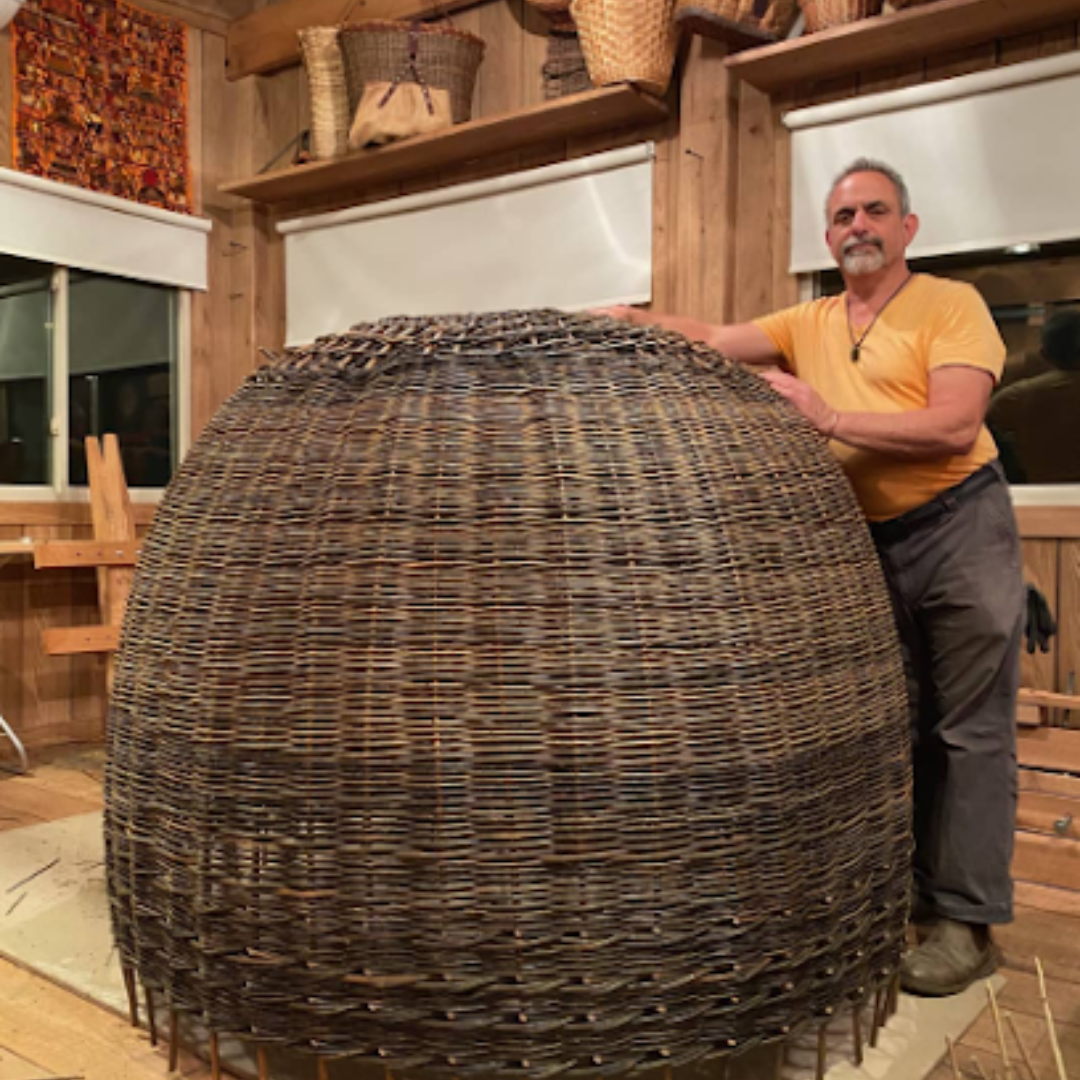
Howard Peller is the founder of Living Willow Farm in Roseville, Ohio, where he grows more than 100 varieties of willow and transforms them into both functional and artistic creations. With training in traditional basketry Howard weaves together a lifetime of artistry and agriculture.
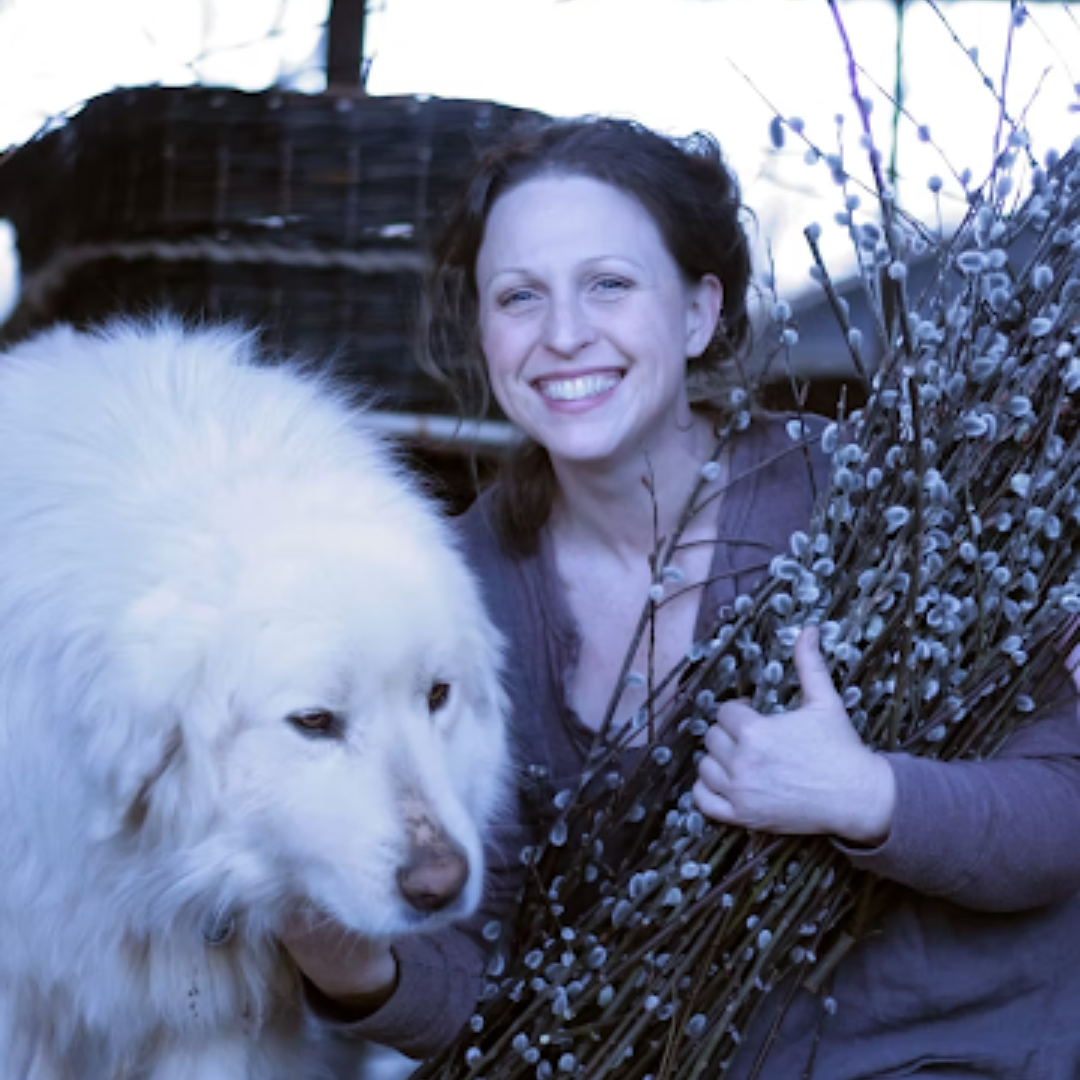
Sarah Lasswell is a willow grower and casket weaver in the Appalachian foothills of western North Carolina. Sarah began planting willow in 2019 to control erosion on a cultivated field, and expanded her plantings in the following years to around 5,000 to supply her casket weaving practice.
On This Page